
coffee enema instructions pdf
Coffee Enema Instructions: A Critical Review (February 2‚ 2026)
Today’s date is February 2‚ 2026‚ at 11:13:35. Systematic reviews demonstrate a lack of supporting evidence‚ highlighting potential dangers and advising against self-administration.
Coffee enemas involve introducing brewed‚ cooled coffee into the colon via the rectum. Historically‚ this practice dates back centuries‚ gaining traction in both conventional and alternative medicine circles. Proponents suggest coffee enemas stimulate detoxification‚ enhance liver function‚ and improve overall health. However‚ these claims lack robust scientific backing and are increasingly challenged by the medical community.
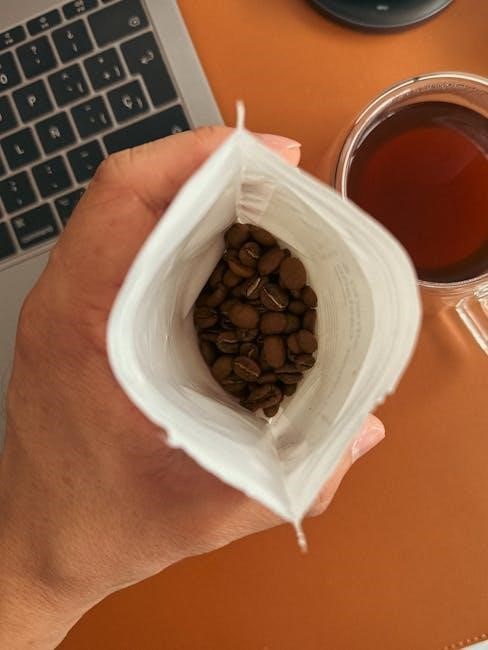
The appeal often centers around the belief that the colon absorbs coffee compounds‚ triggering a cascade of beneficial physiological effects. Despite this‚ current medical advice emphasizes a high-fiber diet‚ adequate hydration‚ and fermented foods for optimal digestive health. The documented risks‚ including rectal burns and colitis‚ alongside reports of proctocolitis‚ raise significant safety concerns. A 2010 ACG journal article details cases of proctocolitis directly linked to coffee enema use. Furthermore‚ a 2020 PubMed systematic review advises against self-administration due to safety issues and insufficient evidence of effectiveness.
Historical Use of Coffee Enemas
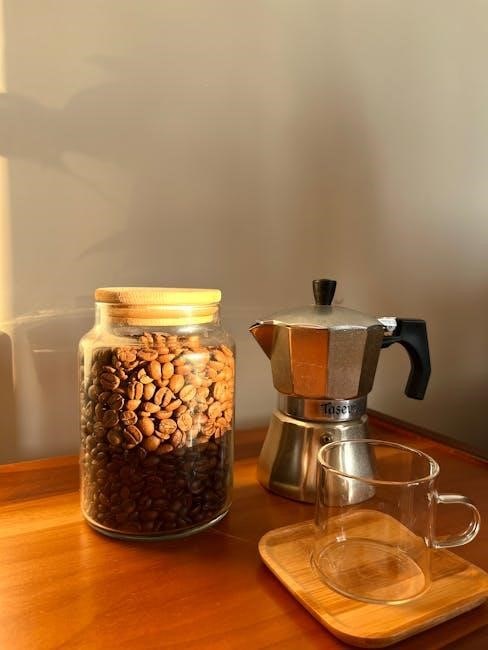
Coffee enemas boast a surprisingly long history‚ with documented use tracing back to the 18th century. Initially employed by physicians‚ they were a relatively common medical procedure‚ particularly in Europe. Early applications focused on inducing resuscitation in cases of poisoning or even as a general tonic. However‚ as modern medical understanding evolved‚ their prevalence within mainstream medicine diminished significantly.
Despite fading from conventional practice‚ coffee enemas persisted within alternative health modalities. The early 20th century saw renewed interest fueled by theories surrounding “autointoxication” – the belief that undigested food fermented in the colon‚ releasing toxins. This concept‚ now largely discredited‚ drove the continued use of enemas‚ including those utilizing coffee. Today‚ proponents often cite detoxification benefits‚ though these remain unsupported by rigorous scientific evidence‚ and documented risks like rectal burns and colitis are a serious concern.
Purported Benefits & Detoxification Claims
Advocates of coffee enemas frequently claim a wide range of benefits‚ primarily centered around “detoxification.” These assertions suggest that coffee enemas stimulate the liver‚ aiding in the removal of toxins from the body. Proponents also believe they can improve energy levels‚ enhance mental clarity‚ boost the immune system‚ and even treat conditions like cancer – claims entirely unsupported by scientific evidence.
The core idea revolves around the belief that the enema solution stimulates bile flow‚ facilitating toxin elimination through the colon. However‚ the liver is already highly efficient at detoxification‚ and there’s no evidence to suggest coffee enemas enhance this process. Systematic reviews consistently demonstrate a lack of evidence supporting these claims‚ and the American College of Gastroenterology highlights the significant risks associated with their use‚ far outweighing any perceived benefits. Focusing on a high-fiber diet and hydration is a safer‚ evidence-based approach to digestive health.

Potential Risks and Complications
Coffee enemas carry substantial risks‚ including rectal burns‚ colitis‚ proctocolitis‚ electrolyte imbalances‚ and potential infections – dangers outweighing any purported benefits.
Rectal Burns and Colitis
The risk of rectal burns and colitis represents a significant concern associated with self-administered coffee enemas. Reports and systematic reviews consistently highlight these adverse events as frequently occurring complications. The introduction of heated coffee solution directly into the rectum can cause thermal damage to the delicate mucosal lining‚ leading to painful burns.
Furthermore‚ the irritant properties of coffee compounds can induce inflammation of the colon‚ manifesting as colitis. This inflammation can range from mild discomfort to severe pain‚ accompanied by symptoms like diarrhea‚ bleeding‚ and abdominal cramping. A case published in the ACG journal specifically details proctocolitis caused by coffee enemas‚ emphasizing the potential for serious inflammatory responses; The systematic review of case reports also underscores these risks‚ advising against the practice due to the unsolved safety issues.
Proctocolitis as a Reported Complication
Proctocolitis‚ an inflammation of both the rectum and colon‚ is a documented complication stemming from coffee enema use. Published in the official journal of the American College of Gastroenterology (ACG) in January 2010‚ a case report details a specific instance of proctocolitis directly attributed to coffee enemas. This highlights the potential for significant inflammatory reactions within the lower gastrointestinal tract.

The irritation caused by coffee components introduced rectally can trigger an immune response‚ leading to inflammation and damage to the intestinal lining. Symptoms can include rectal pain‚ bleeding‚ urgent bowel movements‚ and abdominal discomfort. The ACG case study underscores that this isn’t merely a theoretical risk‚ but a clinically observed outcome. Furthermore‚ the systematic review of case reports reinforces this concern‚ emphasizing the adverse events associated with self-administration‚ with proctocolitis being a prominent example.
Electrolyte Imbalance Risks
Coffee enemas pose a significant risk of disrupting the body’s delicate electrolyte balance. The colon naturally absorbs fluids and electrolytes; introducing a large volume of liquid‚ even one as seemingly benign as coffee‚ can interfere with this process. Frequent or improperly administered enemas can lead to the loss of crucial electrolytes like potassium‚ sodium‚ and magnesium.
Electrolyte imbalances can manifest in a range of symptoms‚ from mild muscle cramps and weakness to more severe complications like irregular heartbeat‚ confusion‚ and even seizures. Individuals with pre-existing kidney or heart conditions are particularly vulnerable. While the provided sources don’t explicitly detail specific electrolyte levels affected‚ the general principle of colonic absorption and fluid shifts indicates a clear potential for disruption. Maintaining proper electrolyte levels is vital for numerous bodily functions‚ making this a serious concern.
Infection Risk Associated with Enemas
Enemas‚ including coffee enemas‚ inherently carry a risk of introducing bacteria into the rectum and colon‚ potentially leading to infection. This risk stems from several factors‚ including the non-sterile nature of the procedure when performed outside a clinical setting and the potential for micro-tears in the rectal lining during administration. While the provided texts don’t specifically detail infection rates‚ the principle of introducing foreign substances into the intestinal tract necessitates caution.
Compromised immune systems‚ pre-existing gastrointestinal conditions‚ or improper cleaning of enema equipment can exacerbate this risk. Symptoms of infection may include fever‚ abdominal pain‚ and rectal bleeding. Maintaining strict hygiene and utilizing sterile or thoroughly cleaned equipment are crucial‚ though do not eliminate the inherent risk. The potential for infection further underscores the lack of medical support for this practice.

Coffee Enema Procedure – Detailed Breakdown (Despite Safety Concerns)
Despite significant risks‚ a detailed procedure involves specific materials‚ careful coffee preparation‚ temperature control‚ proper positioning‚ and a step-by-step administration technique.
Required Materials for a Coffee Enema
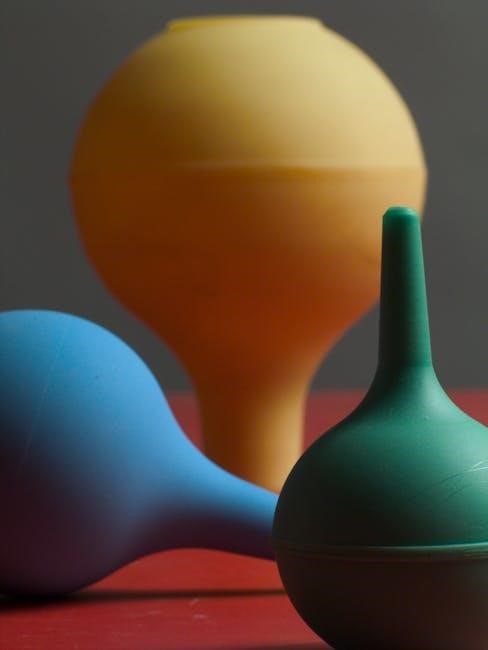
Preparing for a coffee enema necessitates gathering several crucial materials to facilitate the process‚ though it’s vital to reiterate the inherent risks involved. First‚ a dedicated enema kit is essential‚ typically including a bag – often silicone or rubber – with a capacity of approximately 500-1000ml. A rectal nozzle‚ preferably with a smooth‚ rounded tip for comfort‚ is also required.
Furthermore‚ high-quality‚ organic coffee is paramount; avoid pre-ground coffee due to potential additives. Filter paper or a fine-mesh strainer is needed for brewing. Lubricant‚ such as water-soluble jelly‚ is crucial for easing nozzle insertion.
Additional necessities include a comfortable location – often the bathroom floor – towels for cleanup‚ and warm water for rinsing. Finally‚ access to clean water for hydration post-enema is vital‚ alongside a timer to monitor retention time. Remember‚ possessing these materials doesn’t negate the serious health concerns.
Coffee Preparation Guidelines
Proper coffee preparation is considered critical by proponents‚ despite the overall lack of scientific support and documented risks. Begin with approximately two to four tablespoons of finely ground‚ organic coffee. It’s crucial to use organic to minimize exposure to pesticides. Brew the coffee with approximately 800-1000ml of purified or distilled water.

Avoid using a paper filter if possible‚ as it can remove beneficial compounds; a fine-mesh strainer is preferable. The resulting brew should be relatively weak‚ resembling tea in color and strength‚ not a typical cup of coffee.
Allow the coffee to cool to a comfortably warm temperature – ideally body temperature – before use. Filtering the coffee thoroughly is essential to remove any grounds that could cause irritation or blockage. Discard any unused coffee after preparation; do not store it for later use. Again‚ remember the inherent dangers associated with this practice.
Enema Solution Temperature and Volume
Maintaining the correct temperature and volume of the enema solution is frequently emphasized within instructions‚ though safety remains a paramount concern. The solution should ideally be body temperature – around 98.6°F (37°C) – to prevent discomfort and minimize the risk of shock to the system. Using a thermometer to verify the temperature is strongly advised.
Regarding volume‚ most protocols suggest starting with approximately 500-800ml of the prepared coffee solution. However‚ individual tolerance varies‚ and it’s often recommended to begin with a smaller volume‚ around 250-300ml‚ especially for first-time users.
Gradually increasing the volume in subsequent administrations is sometimes suggested‚ but this practice amplifies potential risks. Never exceed 1000ml without professional medical guidance‚ which is not recommended. Always prioritize safety and be mindful of your body’s response.
Proper Positioning During Administration
Achieving the correct body position is consistently detailed in coffee enema instructions‚ aiming to facilitate optimal fluid retention and absorption. The most commonly recommended position is lying on the right side with knees drawn up towards the chest. This positioning leverages gravity to encourage the solution to travel through the colon.
Some protocols suggest a slight elevation of the hips using a pillow or folded towel‚ further aiding fluid retention. Maintaining this position throughout the administration process‚ typically 15-20 minutes‚ is crucial.
Gentle abdominal massage‚ following the path of the colon‚ is sometimes advised to assist with solution distribution. However‚ avoid vigorous massage‚ as this could cause discomfort or potentially lead to complications. Remaining relaxed and breathing deeply can also enhance the process‚ despite inherent risks.
Administration Technique – Step-by-Step
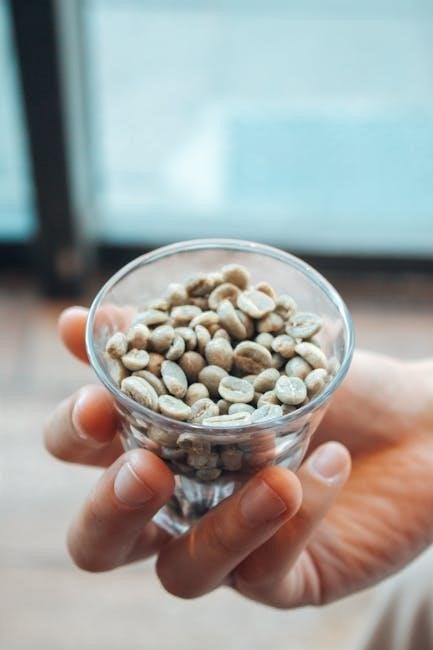
Despite safety concerns‚ detailed instructions often outline a specific procedure. Begin by lubricating the enema nozzle with a water-based lubricant. Gently insert the nozzle a few inches into the rectum. Slowly release the prepared coffee enema solution‚ starting with a small amount to avoid discomfort or cramping.
Continue releasing the solution until the desired volume is administered‚ or until a feeling of fullness is experienced. It’s crucial to avoid forcing the solution if resistance is met. Once administered‚ remove the nozzle and attempt to retain the solution for the recommended duration – typically 15-20 minutes.
During retention‚ maintain the proper positioning (left side lying‚ knees drawn up) and consider gentle abdominal massage. Remember‚ this procedure carries significant risks and is not medically endorsed.
Post-Enema Procedures & Aftercare
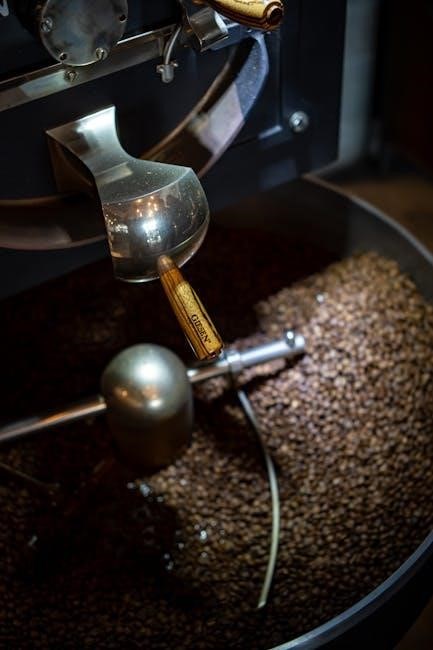
Following the procedure‚ expect a bowel movement‚ potentially with expelled coffee grounds. Hydration is vital to replenish fluids lost during the enema process.
Retention Time and Release
Determining appropriate retention time is crucial‚ though guidance remains contentious and lacks robust scientific backing; Individuals considering coffee enemas often inquire about how long to retain the solution within the rectum. While some proponents suggest retaining for a period ranging from 12 to 20 minutes‚ this practice is not universally recommended due to the inherent risks involved.
Prolonged retention significantly elevates the potential for adverse effects‚ including rectal burns and colitis‚ as highlighted in case reports and systematic reviews. The American College of Gastroenterology has documented instances of proctocolitis directly linked to coffee enema use. Therefore‚ a cautious approach is paramount.
Upon completion of the chosen retention period‚ the enema solution should be released gradually and comfortably. Listen to your body and avoid straining. Following release‚ observe the expelled fluid for any signs of irritation or unusual characteristics. Immediate medical attention should be sought if any discomfort or concerning symptoms arise.
Expected Bowel Movement Characteristics
Following a coffee enema‚ individuals may experience bowel movements differing significantly from their typical patterns. Expect an initial expulsion of the administered coffee solution‚ often appearing dark brown in color. Subsequent bowel movements may continue to exhibit a similar hue for a period‚ potentially indicating continued release of stimulated intestinal contents.
The consistency of the stool can also vary‚ ranging from watery to more formed‚ depending on individual factors and hydration levels. Some users report the passage of mucus or undigested food particles‚ which‚ while not necessarily alarming‚ should be noted.
However‚ it’s crucial to understand that altered bowel movement characteristics do not equate to “detoxification.” The perceived cleansing effect is not supported by scientific evidence. Any persistent changes or the presence of blood‚ severe pain‚ or other concerning symptoms warrant immediate medical evaluation‚ as these could indicate complications like proctocolitis or rectal burns.
Hydration Following an Enema
Adequate rehydration is paramount after undergoing a coffee enema‚ as the procedure can lead to fluid and electrolyte imbalances. Enemas stimulate bowel activity‚ potentially causing dehydration through increased fluid loss. Replenishing lost fluids is crucial for restoring normal bodily functions and preventing complications.
It is recommended to consume a substantial amount of water – at least 16-24 ounces – immediately following the enema. Electrolyte-rich beverages‚ such as coconut water or oral rehydration solutions‚ can further aid in restoring balance. Avoid sugary drinks‚ as they can exacerbate dehydration.
Pay close attention to your body’s signals and continue hydrating throughout the day. Monitor urine color; pale yellow indicates adequate hydration‚ while dark urine suggests continued fluid depletion. Prioritizing hydration is not a ‘detox’ measure‚ but a necessary step to mitigate the risks associated with enema use.
Scientific Evidence & Medical Perspectives
Research consistently reveals a lack of evidence supporting coffee enemas’ purported benefits‚ while systematic reviews highlight significant safety concerns and discourage self-administration.
Systematic Reviews on Safety and Effectiveness
Multiple systematic reviews critically assess the safety and effectiveness of self-administered coffee enemas‚ consistently revealing a concerning trend. A 2020 PubMed review explicitly does not recommend coffee enemas as a viable self-care modality. This conclusion stems from unresolved safety issues and a demonstrable insufficiency of evidence regarding any positive effects.
The reviews highlight a significant risk of adverse events‚ most notably rectal burns and colitis‚ directly linked to the practice. These findings strongly suggest that the potential harms far outweigh any perceived benefits. Furthermore‚ the lack of robust scientific data supporting detoxification claims reinforces the medical community’s cautious stance. The available evidence simply doesn’t justify the risks associated with this practice‚ prompting a clear recommendation against its use.
Lack of Evidence Supporting Detoxification
Despite popular claims‚ rigorous scientific investigation fails to substantiate the purported detoxification benefits of coffee enemas. The notion that these enemas effectively cleanse the system lacks empirical support‚ with systematic reviews consistently finding no credible evidence to validate such assertions. The body possesses its own highly efficient detoxification mechanisms – the liver and kidneys – which function optimally with proper nutrition and hydration.
Promoting coffee enemas for detoxification is therefore misleading and potentially harmful. Instead of relying on unproven methods‚ individuals seeking to improve their digestive health should prioritize a high-fiber diet‚ adequate hydration‚ and the inclusion of fermented foods. These approaches are backed by scientific evidence and offer genuine benefits without the inherent risks associated with enemas.
Medical Community’s Stance on Coffee Enemas
The medical community overwhelmingly discourages the use of coffee enemas‚ citing a lack of demonstrated benefit and significant potential for harm. Professional organizations and healthcare providers do not recommend them as a legitimate medical treatment or detoxification method. Published case reports‚ including those in the American College of Gastroenterology journal‚ detail serious complications like proctocolitis‚ rectal burns‚ and colitis directly linked to coffee enema administration.
Systematic reviews‚ such as those found on PubMed and PMC‚ further reinforce this stance‚ highlighting unresolved safety concerns and insufficient evidence of effectiveness. The risks demonstrably outweigh any perceived benefits‚ leading to a consensus against their use. Healthcare professionals advocate for evidence-based approaches to digestive health‚ emphasizing diet‚ hydration‚ and lifestyle modifications over potentially dangerous practices.
Alternatives to Coffee Enemas for Digestive Health
Prioritize a high-fiber diet‚ ample hydration‚ and fermented foods for optimal gut health; coffee consumption is preferable to enemas for benefits.
High-Fiber Diet Recommendations
Embracing a diet rich in fiber is a cornerstone of digestive wellness‚ offering a safe and effective alternative to potentially harmful practices like coffee enemas. Current dietary guidelines advocate for a daily intake of at least 30 grams of fiber‚ yet the average adult typically consumes only around 19 grams.
Focus on incorporating a diverse range of fiber-rich foods into your meals. Excellent sources include vibrant fruits‚ an array of vegetables‚ wholesome whole grains like oats and quinoa‚ and fiber-packed seeds such as chia and flax. Gradually increasing fiber intake is crucial to avoid digestive discomfort like bloating and gas.
Prioritizing fiber supports regular bowel movements‚ nourishes beneficial gut bacteria‚ and may even contribute to a reduced risk of certain cancers. This natural approach to digestive health is far more sustainable and beneficial than relying on unproven and potentially dangerous methods.
Importance of Hydration
Adequate hydration is absolutely vital for optimal digestive health and overall well-being‚ presenting a safe and essential alternative to interventions like coffee enemas. Water plays a crucial role in softening stool‚ facilitating its passage through the digestive tract‚ and preventing constipation – a common concern addressed (often inappropriately) by enemas.
Aim to drink sufficient water throughout the day‚ adjusting your intake based on activity level‚ climate‚ and individual needs. A general guideline is to consume at least eight glasses of water daily‚ but listen to your body’s thirst cues.
Proper hydration supports the function of the gut microbiome‚ aiding in the digestion and absorption of nutrients. It’s a simple‚ yet profoundly impactful practice that promotes a healthy digestive system without the risks associated with potentially damaging procedures.
Benefits of Fermented Foods
Incorporating fermented foods into your diet offers a natural and beneficial approach to supporting gut health‚ providing a safer alternative to potentially harmful practices like coffee enemas. Foods like kimchi‚ kefir‚ and kombucha are rich in probiotics – live microorganisms that contribute to a diverse and thriving gut microbiome.
These beneficial bacteria aid in digestion‚ enhance nutrient absorption‚ and can even bolster the immune system. A healthy gut microbiome is essential for overall well-being‚ and fermented foods provide a delicious and accessible way to nurture it.
Regular consumption of fermented foods can help restore balance to the gut‚ alleviating digestive discomfort and promoting a healthier digestive system without the risks associated with enemas.
The Role of Coffee Consumption (Separate from Enemas)
While coffee enemas are discouraged due to significant health risks‚ moderate coffee consumption—separate from enema use—can offer certain health benefits. Research suggests coffee may contribute to improved cognitive function‚ increased energy levels‚ and a reduced risk of certain diseases.
However‚ it’s crucial to distinguish between enjoying coffee as a beverage and administering it rectally. The potential benefits of drinking coffee are entirely different from the dangerous and unsupported claims associated with coffee enemas.
Focusing on a balanced diet and healthy lifestyle‚ including mindful coffee consumption‚ is a far safer and more effective approach to overall well-being than resorting to potentially damaging practices like coffee enemas.