
passover lamb instructions
Passover Lamb Instructions: A Comprehensive Guide
Passover, commemorating Israel’s liberation, centers around the lamb. This guide details historical context, preparation, cooking, and observance, referencing traditions and accounts like Josephus’.
Historical Context of the Passover Lamb
The Passover lamb’s origins are deeply rooted in the Exodus narrative, marking a pivotal moment in Jewish history. Instituted the evening before the Israelites’ departure from Egypt, the first Passover occurred around the time of the full moon on the 14th of Abib – later Nisan. This observance began 13 days after the first observable new moon nearest the spring equinox.
Initially, the lamb represented a direct act of God’s protection, with its blood serving as a sign for the angel of death to “pass over” Jewish homes during the tenth plague. Over time, the lamb evolved into a central symbol of sacrifice, redemption, and remembrance of God’s faithfulness.
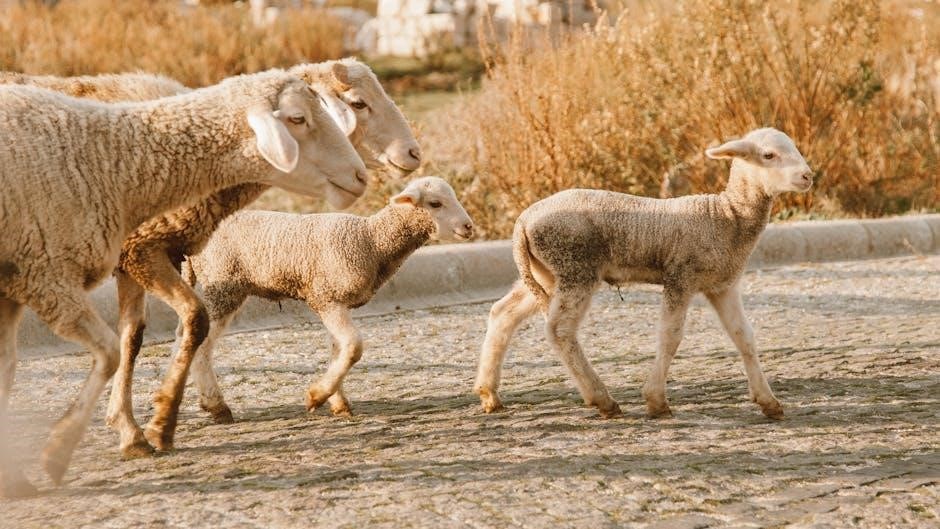
Centuries later, during Jesus’ time, the scale of Passover observance was immense. Josephus, a first-century historian, recorded that over 250,000 lambs were sacrificed during a single Passover, highlighting its profound religious significance for the Jewish people.
The First Passover: Background and Significance
The first Passover arose from a backdrop of immense suffering for the Israelites enslaved in Egypt. God commanded the Israelites to sacrifice a lamb – without blemish – and smear its blood on their doorposts as a sign for the protecting angel. This act wasn’t merely ritualistic; it was a demonstration of faith and obedience.
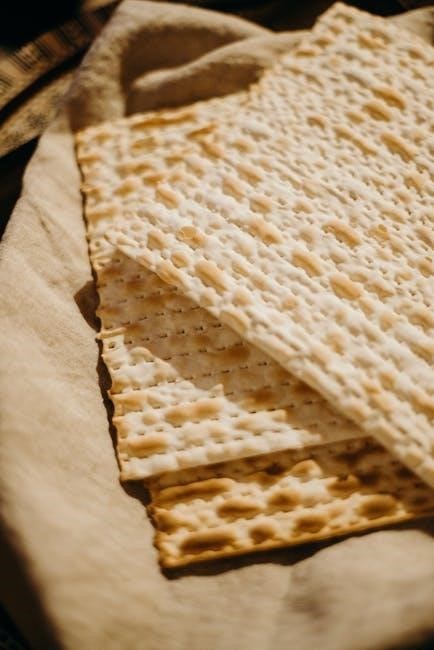
The lamb’s sacrifice served as a substitute, shielding the firstborn sons from the tenth plague – the death of the Egyptian firstborn. Eating the roasted lamb with unleavened bread and bitter herbs symbolized the haste of their departure and the bitterness of slavery.
This event wasn’t simply an escape from bondage; it was a foundational moment establishing the covenant between God and Israel. Passover, therefore, became a perpetual reminder of God’s power, deliverance, and enduring promise to protect His people, a theme resonating through generations.
Dating the First Passover
Dating the first Passover is complex, relying on correlating biblical accounts with astronomical observations and historical records. The observance occurred around the time of the full moon on the 14th day of Abib (later Nisan), the first month of the religious calendar.
Determining Nisan’s start hinges on identifying the first observable new moon nearest the spring equinox. This system, while seemingly straightforward, presents challenges due to variations in lunar cycles and observational practices. Scholars estimate the Exodus, and thus the first Passover, occurred around 1446 BCE, though alternative dates exist.
Understanding Jesus’ timeline is also crucial; his death coincided with Passover, Nisan 14, in 33 CE. Calculating backwards from this point helps establish a framework for his ministry, placing events after the Passover of 31 CE and 32 CE.
Jesus and the Passover
Jesus consistently observed the Passover during his earthly ministry, a significant event deeply rooted in Jewish tradition. He celebrated the Passover with his apostles, a final meal before his crucifixion, establishing a “New Covenant” through his sacrifice. This observance fulfilled prophetic expectations linked to the Passover lamb.
His timing is critical; Jesus’ death occurred on Nisan 14, the very day the Passover lamb was traditionally sacrificed. John 19:14-16 specifically notes this correlation, highlighting Jesus as the ultimate sacrificial lamb, offering redemption for humanity.

This connection transforms the Passover from a historical commemoration of Israel’s liberation to a symbolic representation of spiritual freedom through Jesus’ sacrifice. Understanding this context illuminates the profound theological significance of the Passover within Christian belief.
Jesus’ Ministry Timeline & Passover Observance
Jesus’ public ministry spanned roughly three years, framed by Passover celebrations. His ministry began after the Passover of 31 C.E. and continued until after the Passover of 32 C.E., marked by significant events and teachings. A further period extended through the Festival of Dedication in 32 C.E.
Crucially, Jesus was approximately 30 years old when he commenced his ministry. Calculating backward from his death on Passover, Nisan 14 in 33 C.E., establishes this timeframe. Each Passover during these years likely held special significance, potentially serving as pivotal moments for teaching or demonstrating his messianic identity.
His consistent observance of the Passover underscores his adherence to Jewish law and tradition, while simultaneously foreshadowing his role as the ultimate Passover lamb, offering a new covenant of salvation.
Selecting the Passover Lamb
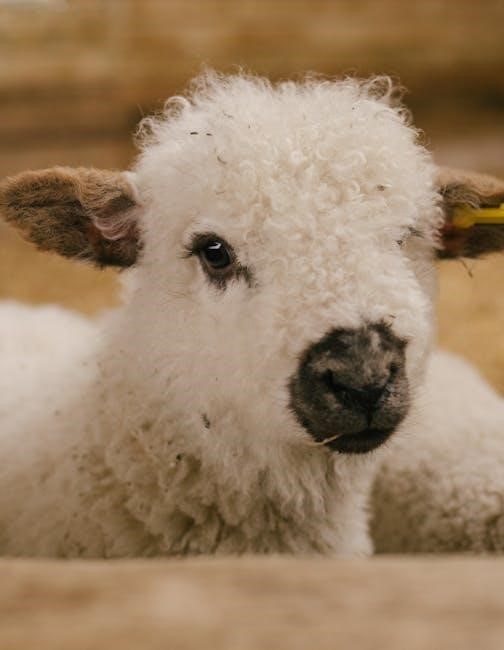
Lamb selection requires careful attention to weight and quality, traditionally choosing a one-year-old male. Kosher practices dictate specific criteria for ensuring ritual purity.
Lamb Specifications: Weight and Quality
Traditionally, the Passover lamb was a male, one-year-old animal, without blemish. This signifies perfection and suitability for sacrifice, representing a dedication to God. While modern observance doesn’t involve actual sacrifice, the principle of quality remains paramount when selecting a leg of lamb for the Seder.
The weight of the lamb historically corresponded to the size of the household. Today, a leg of lamb around four to four-and-a-half pounds is common for a smaller family, while larger gatherings may require a heavier cut.
Quality is assessed by the color and firmness of the meat. Look for a bright, reddish-pink hue, indicating freshness. The fat should be white or creamy, not yellowed. The meat should feel firm to the touch, springing back when gently pressed. Choosing a high-quality lamb ensures a flavorful and meaningful Passover experience, honoring the historical significance of this central symbol.
Choosing a Leg of Lamb
Selecting the right leg of lamb requires considering both cut and preparation style. A bone-in leg offers richer flavor due to the marrow, ideal for slow roasting. Boneless legs are easier to carve and suit quicker cooking methods. Look for a leg with a good amount of marbling – the flecks of fat within the muscle – as this contributes to tenderness and juiciness.
Consider the size of your Seder gathering. A 4-5 pound leg typically serves 6-8 people. Inspect the lamb for a bright, reddish-pink color and firm texture. Avoid legs that appear dull or have a strong odor.
For a Greek-style roast, a larger, bone-in leg is preferred. Date night recipes might benefit from a smaller, boneless loin. Ultimately, choose a leg that appears fresh, well-trimmed, and suits your chosen recipe and the number of guests you’re hosting, ensuring a delicious Passover meal.
Ensuring a Kosher Lamb (Traditional Practices)
Traditional Passover lamb preparation adheres to strict kosher guidelines. This begins with sourcing the lamb from a certified kosher butcher, ensuring the animal was raised and slaughtered according to Jewish law (shechita). Inspection for treifot – disqualifying conditions – is crucial.
Soaking and salting the lamb to remove blood is a vital step, as consuming blood is prohibited. This process, lasting several hours, draws out the blood from the meat. Thorough rinsing follows to eliminate all traces of salt.
Utensils used must also be kosher, meaning they haven’t come into contact with non-kosher foods. Separate cookware and preparation surfaces are essential. Following these practices demonstrates reverence for the Passover tradition and ensures the lamb is prepared in accordance with centuries-old customs, honoring the historical sacrifice.
Preparing the Passover Lamb
Lamb preparation involves specific ingredients and techniques. Traditional seasonings, garlic, rosemary, and thyme are key components, creating a flavorful rub for the Passover feast.
Ingredients for Passover Lamb Preparation
Preparing a Passover lamb requires careful selection of ingredients to honor tradition and enhance flavor. The foundation begins with two legs of lamb, ideally totaling around four pounds, ensuring sufficient sustenance for the Seder meal. Essential seasonings include one teaspoon of sea salt, and one teaspoon of black pepper, providing a basic savory profile.
To complement the lamb, approximately two pounds of waxy potatoes, cut into substantial 1.5-inch chunks, are incorporated for a hearty side. Similarly, two pounds of carrots, roughly cut into 1-inch pieces, add sweetness and color to the dish. A crucial element is ¼ cup of extra-virgin olive oil, used both for rubbing the lamb and potentially for roasting the vegetables.
Further enhancing the aromatic profile are two tablespoons of minced garlic, two tablespoons of minced rosemary, and two tablespoons of minced thyme. These herbs infuse the lamb with a fragrant, earthy essence, deeply rooted in Passover culinary traditions. These ingredients, when combined, create a truly memorable Passover experience.
Marinating the Lamb: Traditional Seasonings
Marinating the Passover lamb is a pivotal step, infusing it with depth of flavor and tenderizing the meat. While specific traditional recipes vary, the core principle involves a blend of aromatic herbs and spices. The foundation typically begins with a generous coating of the previously mentioned ingredients: minced garlic, rosemary, and thyme, creating a fragrant paste.
Olive oil, approximately ¼ cup, serves as a carrier for these seasonings, ensuring even distribution and aiding in moisture retention during cooking. Some families incorporate additional spices, though the focus remains on highlighting the natural flavor of the lamb. The marinating process isn’t solely about taste; it’s a symbolic act of preparation and reverence.
The lamb should be thoroughly rubbed with this mixture, ensuring every surface is coated. Allowing the lamb to marinate for at least several hours, or ideally overnight, allows the flavors to fully penetrate the meat. This patient process results in a more succulent and flavorful Passover lamb, worthy of the Seder table.
Rubbing the Lamb: Garlic, Rosemary, and Thyme
Rubbing the lamb with garlic, rosemary, and thyme is a foundational element in Passover lamb preparation, creating a fragrant and flavorful crust. This technique isn’t merely about seasoning; it’s a sensory experience, evoking the aromas of the season and the historical significance of the Passover meal; Approximately two tablespoons each of minced garlic, rosemary, and thyme are typically used, forming a potent aromatic blend.
The key lies in thoroughness. The lamb should be generously coated with this mixture, ensuring every crevice is reached. This process not only imparts flavor but also helps to tenderize the meat. The herbs’ essential oils penetrate the surface, enhancing both taste and texture.
Prior to rubbing, the lamb is often brushed with olive oil, acting as a binding agent for the herbs and spices. This creates a paste-like consistency, ensuring the seasonings adhere effectively. The act of rubbing is a deliberate and mindful preparation, connecting the cook to generations of Passover traditions.
Cooking Methods for Passover Lamb
Passover lamb offers diverse cooking styles: slow roasting (Greek-inspired), a date night lamb loin recipe, and traditional roasting techniques, each yielding unique flavors and textures.
Slow Roasted Leg of Lamb: A Greek Style Recipe
This Greek-style slow roasted leg of lamb is a flavorful centerpiece for your Passover Seder, drawing inspiration from Mediterranean culinary traditions. Begin by generously rubbing a 4 ½ pound leg of lamb with ¼ cup of extra-virgin olive oil, 2 tablespoons of minced garlic, 2 tablespoons of minced rosemary, and 2 tablespoons of minced thyme.
Ensure the lamb is thoroughly coated with this aromatic blend. Place 2 pounds of waxy potatoes (cut into 1 ½ inch chunks) and 2 pounds of carrots (roughly cut) around the lamb in a roasting pan. Season the vegetables with 1 teaspoon of sea salt and 1 teaspoon of pepper.
Pour approximately 1 cup of water or broth into the bottom of the pan to create steam and prevent sticking. Cover the pan tightly with foil and roast in a preheated oven at 325°F (160°C) for 5-6 hours, or until the lamb is incredibly tender and falling off the bone. Remove the foil during the last 30 minutes to allow the lamb to brown. Let rest for 15 minutes before carving and serving.
Date Night Lamb Loin Recipe
For a more intimate Passover celebration, consider a succulent lamb loin – perfect for a special “date night” meal. This recipe offers a refined alternative to a traditional roast, while still honoring the significance of lamb. Begin with a lamb loin, approximately 1.5 to 2 pounds.
Create a marinade by combining olive oil, minced garlic, rosemary, thyme, salt, and pepper. Marinate the lamb loin for at least 2 hours, or preferably overnight, to allow the flavors to fully penetrate the meat.
Sear the lamb loin in a hot skillet to develop a rich crust, then finish cooking in a preheated oven at 400°F (200°C) to your desired level of doneness (medium-rare is recommended). Let the lamb rest before slicing and serving with roasted vegetables or a fresh salad. This elegant dish provides a memorable Passover experience.
Traditional Passover Lamb Roasting Techniques
Historically, the Passover lamb was roasted whole on a spit, a practice rooted in the Exodus account. While modern kitchens rarely accommodate this, the principles remain. Traditionally, the lamb was prepared simply, focusing on the quality of the meat itself.
Seasoning involved minimal ingredients – salt and pepper were common. Some families incorporated garlic, rosemary, and thyme, rubbing them directly onto the lamb. Roasting occurred slowly, ensuring even cooking and tender meat.
Josephus’s account reveals the sheer scale of this practice, with over 250,000 lambs sacrificed and roasted during Passover. Today, slow-roasting remains a favored technique, mimicking the original method. A low oven temperature (around 325°F/160°C) and extended cooking time yield a flavorful and tender result, honoring the historical tradition.
Serving and Observance
The lamb held a central place on the Passover Seder plate, symbolizing sacrifice. Historically, immense numbers were sacrificed, as documented by Josephus, marking liberation.
Passover Seder Plate and Lamb’s Placement
Historically, the Passover Seder plate meticulously arranged symbolic foods representing the Exodus story. While the korban pesach – the Passover sacrifice – was central, its physical placement evolved over time, particularly after the destruction of the Second Temple in 70 CE.
Before the Temple’s destruction, the roasted lamb occupied a prominent position, the focal point of the meal. Each participant would partake of the lamb, directly connecting them to the original Passover experience in Egypt.
Following the Temple’s loss, the Seder plate adapted. The zeroa (shank bone), symbolizing the Passover sacrifice, took its place. This bone isn’t eaten but serves as a visual reminder of the lamb offered in the Temple.
Other key elements on the Seder plate include maror (bitter herbs) representing the bitterness of slavery, charoset (a sweet paste symbolizing the mortar used by the Israelites), karpas (a vegetable dipped in saltwater representing tears), and chazeret (another bitter herb). The placement of each item is deliberate, contributing to the narrative unfolding during the Seder.
The Significance of Lamb Sacrifice (Historical Perspective)
The Passover lamb sacrifice held profound significance, rooted in the Exodus narrative. It commemorated God’s sparing of the firstborn Israelites during the tenth plague inflicted upon Egypt – the death of the Egyptian firstborn sons. The blood of the sacrificed lamb, smeared on doorposts and lintels, served as a sign for the angel of death to “pass over” those homes.
This act wasn’t merely a symbolic gesture; it was a covenantal offering, a demonstration of faith and obedience. The lamb, a pure and unblemished animal, represented the Israelites’ devotion to God.
Historical accounts, like those from Josephus, reveal the sheer scale of the sacrifice. He estimated over 250,000 lambs were sacrificed during a single Passover, highlighting the central role of this ritual in Jewish life.
The sacrifice continued to be a central practice until the destruction of the Second Temple in 70 CE, after which rabbinic tradition shifted towards commemorating the sacrifice through symbolic representations, like the zeroa on the Seder plate, maintaining the memory of this pivotal event.
Estimated Number of Lambs Sacrificed During Passover (Josephus’ Account)
Flavius Josephus, the first-century Jewish historian, provides a remarkable insight into the magnitude of Passover observance during the Second Temple period. In his writings, he details the immense logistical undertaking required to accommodate the pilgrims flocking to Jerusalem for the festival.
Josephus specifically states that during Passover, more than 250,000 lambs were sacrificed. This staggering number underscores the widespread participation and deep religious significance of the Passover ritual for the Jewish people at that time.
The sheer volume of animals necessitated a carefully organized system of priestly divisions and designated areas within the Temple complex for the sacrifices.
This account vividly illustrates the central role of the lamb sacrifice in Jewish religious life and provides a tangible sense of the scale of devotion and communal worship that characterized Passover celebrations before the Temple’s destruction in 70 CE. It’s a powerful testament to the faith of the era.