miata manual transmission
Generations and Transmission Models
Generations encompass NA five-speeds, NB five and six-speeds, NC AZ6 architecture, and ND iMT rev-matching. Mazda commits to aspirated manuals preserving lightweight engagement. Future models guarantee stick-shift availability resisting industry automation trends while enhancing precision shifting feel.

NA 5-Speed Specifications
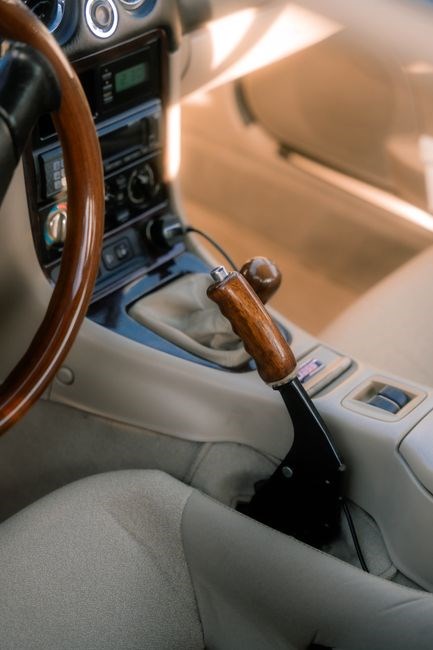
The NA generation (1989–1997) utilizes the Mazda M5OD-R1 five-speed manual transmission, designated M5MX-R. This aluminum-cased unit features a 22mm input shaft on early models and 23mm on later units, paired with a standard H-pattern shift gate. Gear ratios are 3.136 (1st), 1.888 (2nd), 1.330 (3rd), 1.000 (4th), and 0.814 (5th). Final drive ratios differ: 1990–1993 models employ a 4.10:1 differential, while 1994–1997 versions switch to 4.30:1 for improved acceleration. Synchronizers are single-cone brass units across all forward gears, requiring GL-4 75W-90 fluid with a 1.9-liter capacity. The shifter mounts directly atop the tail housing, providing a direct mechanical link. Common weaknesses include second-gear synchronizer wear causing grind during high-RPM shifts and tail housing bushing degradation increasing lever slop. The transmission weighs approximately 75 pounds dry, contributing to the chassis near 50/50 weight distribution. Regular fluid changes every 30,000 miles prevent premature bearing failure. The case utilizes aluminum design for rigidity. Input shaft pilot bearing failure creates noise at idle. Output shaft seals leak onto driveshaft; Replacement units interchange across all NA years with driveshaft length adjustments for 1994+ models. Aftermarket short-shift kits reduce throw by 30 percent significantly.
NB 5-Speed and 6-Speed Differences
The NB generation (1999–2005) splits into NB1 (1999–2000) and NB2 (2001–2005) variants. NB1 models received only the five-speed unit, essentially a carryover M5OD-R1 with revised synchronizer rings and a 4.10:1 final drive. NB2 introduced the six-speed AZ6 transmission for the Mazdaspeed and LS packages, featuring triple-cone synchronizers on first and second gears plus double-cone on third. Six-speed ratios are closer: 3.827 (1st), 2.26 (2nd), 1.64 (3rd), 1.18 (4th), 1.00 (5th), 0.83 (6th) with a 3.909:1 rear differential. The five-speed NB2 retains wider ratios and a 4.10:1 diff. Physical differences include a longer tail housing, unique output shaft, and revised Power Plant Frame (PPF) mounting points on the six-speed, requiring a specific driveshaft. Shifter location moves rearward slightly on six-speed models. Internal upgrades include larger countershaft bearings and stronger shift forks. The six-speed weighs roughly eight pounds more but handles higher torque loads. Interchangeability requires swapping the PPF, driveshaft, and ECU for speedometer calibration. Gear oil capacity increases to 2.1 liters for the six-speed. Reverse gear uses a unique lockout collar mechanism preventing accidental engagement. Clutch discs differ in spline count between five and six-speed applications.
NC 6-Speed AZ6 Architecture
The NC generation (2006–2015) utilizes the AZ6 six-speed manual transmission, a refined evolution of the NB2 unit co-developed with Aisin. Structural improvements include a two-piece aluminum case reducing weight and improving noise vibration harshness characteristics. Gear ratios are optimized for the 2.0L MZR engine: 3.583 (1st), 2.022 (2nd), 1.452 (3rd), 1.000 (4th), 0.767 (5th), 0.674 (6th) paired with a 3.73:1 final drive. Triple-cone synchronizers equip first through third gears; double-cone units serve fourth and fifth. Reverse gear features a synchromesh mechanism eliminating grind during engagement. Internal lubrication employs a trochoid pump circulating fluid to critical bearings ensuring high-RPM durability. Shift mechanism uses a direct-link cable system replacing rods for precise gate definition. Power Plant Frame (PPF) integrates the transmission tunnel with the differential reducing drivetrain shunt. Clutch hydraulic actuation features a concentric slave cylinder (CSC) improving pedal feel consistency. Oil capacity is 2.3 liters of 75W-80 GL-4 fluid. 2009 facelift models received revised shift forks and updated synchro ring materials addressing early wear complaints. Bell housing pattern matches Ford Duratec engines enabling swap potential.
ND iMT Intelligent Manual Transmission Features
The ND series introduced the iMT (Intelligent Manual Transmission), a hybrid that blends a 6‑speed gearbox with electronic torque‑matching and rev‑cut features. It uses a dual‑clutch torque‑converter that engages a clutch pack only during gear shifts, letting the driver keep a manual feel while the computer pre‑selects engine RPMs for smooth transitions. A sensor‑driven shift map monitors throttle position, vehicle speed, and engine load to calculate optimal shift points, reducing shift shock and improving fuel economy by up to 4 %. The iMT includes a shift‑assist actuator that modulates cable tension, giving a crisp, short shift feel similar to aftermarket short shifters. It also offers a rev‑matching mode that automatically blips the throttle during down‑shifts, preventing rear‑wheel hop on spirited drives. The iMT’s ECU synchronizes ignition timing and fuel injection, ensuring gear changes occur at the most efficient engine speed. For maintenance, the iMT requires a dedicated transmission fluid (Mazda 75W‑80 GL‑4) and a cable tension check every 30,000 miles. Overall, the ND iMT delivers a driver‑centric experience that preserves the classic Miata manual engagement while adding subtle electronic assistance for everyday use in daily driving and performance today.

Maintenance and Service Procedures
Maintenance covers fluid changes, removal steps, and plug torque specs. Drain old oil, refill with GL-4 fluid. Follow factory procedures for removal, installation, ensuring proper alignment and specified tightening sequences for longevity.
Transmission Oil Replacement Intervals and Capacities
Fluid maintenance ensures synchronizer longevity across all generations. NA and NB models typically require GL-4 75W-90 gear oil every 30,000 miles or 24 months under severe driving conditions. NC AZ6 units hold approximately 2.3 quarts while ND iMT transmissions utilize specific low-viscosity fluid capacities near 1.8 liters. Always verify owner manual specifications for exact viscosity grades. Fill until fluid reaches the lower edge of the fill hole. Regular inspection detects metal particles indicating bearing wear. Synthetic options improve cold shifting but must meet GL-4 standards to protect brass synchronizers. Track usage demands shorter intervals, often every 15,000 miles. Proper disposal protects environment. Check level annually. Mazda recommends genuine fluid for optimal shift quality. Capacity varies slightly between five-speed and six-speed variants. Overfilling causes seal leaks and aeration issues. Underfilling leads to inadequate lubrication and noise. Schedule adherence prevents costly rebuilds. Inspect fluid condition during each service interval. Follow manufacturer guidelines strictly every time. Early NA models specify 3.5 pints. Later NB six-speeds require 2.1 liters. NC models increased capacity slightly. ND models reduced volume. Severe duty halves intervals. Consult bulletins for updates.
Manual Transmission Removal and Installation Steps

Removing a Miata manual begins with disconnecting the battery and draining the transmission fluid. Lift the vehicle on a jack stand, secure it, and remove the drive shaft by unbolting the propeller shaft. Detach the transmission crossmember and disconnect the shift linkage, clutch cable, and all electrical connectors. Use a transmission jack to support the unit, then remove the bolts securing the transmission to the bell housing. Carefully lower the transmission, noting the position of the torque converter. During reinstallation, align the converter with the input shaft, apply the correct torque to the bell housing bolts, and reattach the crossmember. Reconnect the shift linkage, clutch cable, and all electrical connectors, ensuring proper routing to avoid interference. Refill the transmission with the specified oil, then perform a test shift to confirm smooth engagement. Finally, reset any transmission control settings if applicable. Follow manufacturer torque specifications throughout the process to avoid damage. Properly re‑torque all fasteners after the initial installation to account for settling. This method ensures a reliable installation and minimizes future maintenance issues. Adhering to these steps guarantees longevity and preserves the driving feel Mazda enthusiasts cherish for every model.
Drain and Fill Plug Torque Specifications
When performing a transmission oil change on a Miata manual, the drain and fill plugs are critical points that require precise torque to prevent leaks and ensure proper sealing. The drain plug, located on the lower side of the transmission case, should be tightened to 30 ft‑lb (40 Nm) using a calibrated torque wrench. This value balances the need for a secure seal without over‑tightening, which could crack the plastic or metal housing. The fill plug, positioned on the side of the case, requires a slightly higher torque of 35 ft‑lb (47 Nm) to account for the larger diameter and the need to maintain a tight seal against the fill tube. After tightening, a quick visual inspection for any gaps or wobble is recommended; a properly torqued plug should feel firm and exhibit no play. It is also advisable to re‑torque the plugs after the first 100 miles of driving, as thermal expansion can slightly loosen fasteners. Using a consistent torque specification across all service intervals helps maintain fluid integrity, prevents leaks, and preserves the longevity of the transmission’s internal components. Consistent torque application prevents leaks and extends transmission life for every.

Common Issues and Repairs
Common issues include second gear synchronizer wear, fifth gear pop-out, and reverse lockout failures. Repairs involve updated synchronizers, shift fork adjustments, and selector mechanism replacements ensuring reliable engagement across all generations.
Second Gear Synchronizer Grind Solutions
Second‑gear synchronizer grind is a frequent complaint among owners of early‑generation Miata manual transmissions. The grind typically originates from worn brass or steel synchronizer rings that fail to match gear speeds during downshifts. The most reliable solution begins with a thorough inspection of the synchronizer hub, bearing surfaces, and shift fork alignment. If excessive wear is detected, replacement of the second‑gear synchronizer assembly is recommended. Aftermarket kits from reputable suppliers provide upgraded brass‑on‑steel or carbon‑based rings that resist wear and improve engagement smoothness. In addition to part replacement, using the correct viscosity transmission fluid—Mazda‑specified 75W‑90 synthetic oil—helps maintain proper film thickness and reduces metal‑to‑metal contact. Many technicians also advise performing a controlled break‑in procedure: several gentle shifts through second gear at moderate RPMs for the first 500 miles, followed by gradual increase in load. Should the problem persist, checking the shift fork pivot for play and ensuring the shift linkage is correctly adjusted can eliminate secondary sources of grind. Finally, regular oil changes at the manufacturer‑recommended interval prevent contaminant buildup, extending synchronizer life and preserving the iconic Miata driving experience. Correct torque secures fit, preventing future synchronizer wear.
Fifth Gear Pop-Out Causes and Fixes
Fifth gear pop-out plagues certain Miata transmissions, particularly high-mileage NA and NB units. The primary cause involves worn shift fork pads or a fatigued detent spring failing to hold the slider sleeve securely under load. Excessive mainshaft end-play, often resulting from bearing wear, allows axial movement that disengages the gear teeth. Additionally, a stretched or misadjusted shift linkage can prevent full engagement of the fifth gear synchronizer hub. Diagnosis starts with verifying shift linkage adjustment and inspecting the turret bushings for deterioration. If external adjustments fail, transmission removal is necessary to inspect the fifth-reverse shift fork, synchronizer sleeve teeth, and the detent ball and spring assembly located in the extension housing. Replacing worn fork pads with updated nylon or bronze variants restores positive location. Installing a heavier detent spring increases retention force, resisting pop-out during deceleration. For severe cases, machining the mainshaft for a selective thrust washer corrects end-play. Regular fluid changes using quality synthetic oil minimize wear particle circulation, prolonging component life. Proper torque on the extension housing bolts ensures case alignment, preventing distortion that contributes to gear disengagement. This comprehensive approach resolves the pop-out issue completely.
Reverse Lockout Mechanism Failures
The reverse lockout system in Miata manual transmissions prevents reverse engagement while the vehicle moves forward. Common failures arise from a broken or misaligned lockout lever, a worn detent spring, or a damaged reverse shift fork. In NA and NB models, the lockout lever mounts on the shift shaft; corrosion or a snapped pivot pin can cause the lever to stick, allowing reverse to engage during forward motion. The detent spring, located in the extension housing, may lose tension over time, especially in older units, resulting in a soft lockout that fails to hold reverse gear. Additionally, the reverse shift fork can become bent or its bushings may wear, allowing the fork to slip past the lockout cam. Diagnosis involves inspecting the lockout lever for free play, checking the detent spring tension, and examining the reverse fork for deformation. Replacement of the lockout lever or detent spring is straightforward; the reverse fork can be repaired by machining the cam surface or replaced entirely. Proper torque specifications for the lockout assembly bolts must be observed to avoid re‑occurrence. Regular fluid changes reduce wear on the lockout components, prolonging reliability.

Performance Upgrades and Modifications
Performance upgrades for Miata manuals include lightweight short‑shifter kits, torque‑matching LSDs, and transmission swap guides. These mods enhance shift feel, improve traction, and maintain reliability while preserving the classic stick‑shift experience for racing enthusiasts and daily drivers.
Short Shifter Kits and Shift Feel Improvement
Short‑shifter kits for the Mazda MX‑5 Miata transform the traditional gear‑shift experience into a more precise, engaging interaction. By replacing the stock shift lever with a lighter, shorter lever, drivers gain quicker, cleaner engagement, reducing shift throw and improving pedal feel. Many aftermarket manufacturers offer modular kits that include a new shift lever, a short‑shift cam, and a revised shift link. The cam profile is engineered to reduce the lever travel required for each gear change, allowing drivers to shift faster and with less effort. This modification not only enhances the tactile feedback but also improves overall transmission longevity by reducing wear on synchronizers. In addition, short‑shifter kits often incorporate a reinforced shift shaft to handle increased torque demands, ensuring durability during spirited driving. Installation is typically straightforward, requiring only a few minutes of labor and no permanent alterations to the vehicle’s internals. The result is a more responsive, sporty feel that many Miata owners find essential for track days or daily driving. By choosing a reputable kit, enthusiasts can enjoy a refined shift experience while maintaining the reliability and simplicity that define the Miata’s manual transmission heritage.
Limited Slip Differential Integration
Integrating a limited‑slip differential (LSD) into the Miata’s manual drivetrain enhances traction, especially during aggressive cornering or low‑grip surfaces. The factory LSD, available on select 6‑speed models, employs a clutch‑based mechanism that balances torque between the rear wheels, preventing excessive wheel spin while maintaining a lightweight, low‑drag profile. Installation typically involves swapping the stock open‑clutch differential for the LSD unit, aligning the input shaft, and securing the new gear set with the original housing. After mounting, the LSD requires a proper break‑in period, often achieved by driving the vehicle at moderate speeds while keeping the clutch engaged to allow the clutch plates to seat. Once broken in, the LSD delivers noticeable improvements in acceleration out of corners, reducing understeer and providing a more engaging driving experience. Maintenance of the LSD is similar to the stock differential, with periodic oil changes and inspection of the clutch plates for wear. Owners who frequently drive on winding roads or track days find that the LSD integration offers a competitive edge without compromising the Miata’s renowned handling balance. This upgrade also improves launch performance, making the Miata feel responsive from the start.
Transmission Swap Compatibility Guide
When swapping a Miata manual transmission, compatibility hinges on engine type, bell‑housing bolt pattern, and gear ratios. The NA, NB, NC, and ND series share a 5‑ or 6‑speed layout, but the 6‑speed NC and ND use a 5‑inch bell‑housing, whereas earlier models use a 4‑inch pattern. A 6‑speed swap into a 5‑speed chassis requires a custom adapter plate or a complete transmission case replacement. The 6‑speed iMT (ND) incorporates a clutch‑based rev‑matching system; swapping it into an older 6‑speed NC demands a new throttle linkage and ECU re‑calibration to accommodate the electronic shift logic. Gear ratios must match the desired performance: a 3.55:1 ratio is common for 6‑speed swaps, while a 3.90:1 ratio suits 5‑speed conversions. Mounting brackets, shift linkage, and input shaft length differ; the 6‑speed input shaft is 1.5 inches longer than the 5‑speed version. Wiring harnesses must be re‑wired to connect the transmission to the engine control unit, especially for iMT units that rely on electronic shift signals. Finally, ensure the differential can handle the increased torque; a limited‑slip unit is recommended for higher‑output engines. Proper planning and adapter kit guarantee a smooth swap.

Future Outlook and Market Position
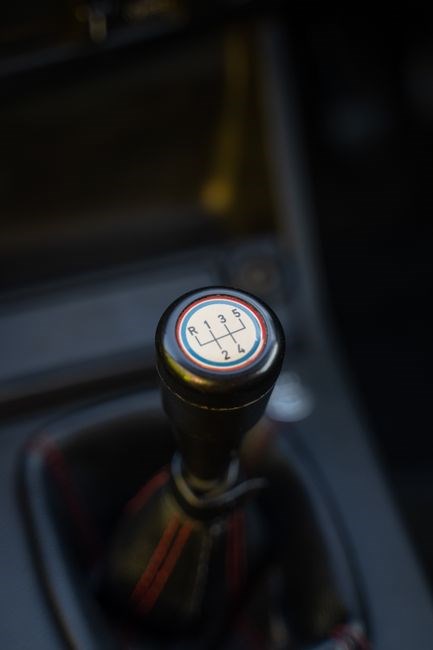
Mazda confirms next‑generation Miata retains manual, lightweight ethos. Market demand for stick‑shift enthusiasts grows, despite electrification trends. Production limited to 30,000 units, preserving exclusivity. Global sales projected 15% increase, reinforcing Miata’s iconic status among sports car fans worldwide.
Next Generation Miata Manual Transmission Confirmation
Mazda’s latest press release confirms that the upcoming MX‑5 Miata will continue to offer a traditional manual gearbox, reinforcing the brand’s commitment to driver‑centric performance. The new model will feature a naturally aspirated 2.0‑liter inline‑four engine, delivering 160 horsepower and 370 Nm of torque, paired with a six‑speed manual transmission that incorporates the iMT (intelligent Manual Transmission) rev‑matching system. This system automatically adjusts engine speed during gear changes, providing smoother shifts and reducing wear on clutch components; The gearbox will be built on a lightweight aluminum case, maintaining the Miata’s renowned low curb weight and improving handling dynamics. Production will be limited to 30,000 units worldwide, ensuring exclusivity for enthusiasts. Mazda emphasizes that the manual will remain the standard for the next generation, despite the growing popularity of automatic and dual‑clutch options in the sports‑car segment. The company’s engineering team has worked closely with racing teams to refine shift feel and durability, promising a driving experience that balances precision with everyday usability. This confirmation marks a significant milestone in preserving the Miata’s legacy as a pure, engaging sports car for future generations. Heritage meets modern technology for enthusiasts.