
what is a sheffield record power scan 150 manual
The Scan 150 manual is a vital resource for owners, detailing operation, safety, and maintenance of this Sheffield-made power tool.
It’s a key component for both novice and experienced users seeking to understand its capabilities.
Sheffield’s local news and community forums frequently discuss this tool, highlighting its enduring relevance within the city’s tool-using population.
What is the Sheffield Record Power Scan 150?
The Sheffield Record Power Scan 150 is a robust and historically significant circular saw, deeply rooted in Sheffield’s manufacturing heritage. It represents a period of British toolmaking excellence, prized for its build quality and reliability. Often discussed within Sheffield’s local history and nostalgia communities, the Scan 150 wasn’t just a tool; it was a staple in workshops and homes across the UK.
Contemporary online discussions and forums reveal a continued interest in the Scan 150, with collectors and users alike valuing its enduring performance. It’s a machine built to last, a testament to Sheffield’s steel city reputation. The tool’s design reflects a practical approach, focusing on functionality and durability rather than modern frills.
Finding information about the Scan 150 often leads to Sheffield-centric resources, demonstrating its strong connection to the city’s identity. It’s a piece of Sheffield’s industrial past, still actively used and appreciated today.

Historical Context of Sheffield Record Power Tools
Sheffield Record Power Tools emerged from a city renowned for its steel production and precision engineering. Dating back to the early 20th century, the company became synonymous with quality hand and power tools, serving both professional tradespeople and enthusiastic amateurs. Their tools, including the Scan 150, were built to withstand demanding use, reflecting Sheffield’s industrial grit.
The company’s history is interwoven with Sheffield’s own story – a city that transformed from a small market town to a global steelmaking powerhouse. Local historical archives and online communities dedicated to Sheffield’s past frequently feature discussions about Record tools, acknowledging their contribution to the city’s manufacturing legacy.
The Scan 150, as a product of this era, embodies the values of British craftsmanship. It represents a time when tools were designed for longevity and repairability, a contrast to today’s often disposable consumer culture. Finding manuals and parts reflects a desire to preserve this heritage.

Understanding the Scan 150’s Features
The Scan 150 boasts robust construction and a versatile cutting capability, making it a popular choice. Understanding its components, power, and material compatibility is key.
Sheffield communities discuss its practical applications and enduring design.
Motor Specifications and Power
The Sheffield Record Power Scan 150’s motor is the heart of its operation, delivering the power necessary for various cutting tasks. While specific details require consulting the manual, it’s generally understood to be a robust induction motor designed for consistent performance.
Understanding the motor’s voltage and amperage is crucial for safe operation and proper electrical setup. The manual will outline these specifications, alongside information regarding horsepower and rotational speed (RPM). These figures directly impact the Scan 150’s ability to handle different materials and cut depths.
Sheffield’s tool enthusiasts often discuss the Scan 150’s motor’s durability, noting its ability to withstand prolonged use. Proper maintenance, as detailed in the manual, is essential for maximizing motor lifespan and preventing overheating. The manual also provides guidance on identifying potential motor issues and troubleshooting common problems.

Accessing the manual is vital for understanding the motor’s precise power output and ensuring optimal performance.
Cutting Capacity and Material Compatibility
The Sheffield Record Power Scan 150 boasts a versatile cutting capacity, making it suitable for a range of woodworking projects. The manual meticulously details the maximum cutting depth and width achievable, varying based on the material being processed. Understanding these limits is paramount for safe and accurate operation.
Material compatibility is another key aspect covered in the manual. While adept at handling softwoods and hardwoods, the Scan 150’s performance with materials like plywood, MDF, and laminates is also outlined. The manual will specify appropriate blade types for each material, ensuring clean cuts and minimizing blade wear.
Sheffield’s local tool communities frequently share tips on optimizing the Scan 150 for specific materials. The manual serves as the foundational guide, providing essential information on feed rates and blade selection. Ignoring these recommendations can lead to poor cut quality or even damage to the tool.
Always refer to the manual before attempting to cut unfamiliar materials.
Key Components and Their Functions
The Sheffield Record Power Scan 150 manual provides a detailed breakdown of each component, crucial for both operation and maintenance. It identifies the motor housing, blade guard, table, fence, and various adjustment mechanisms. Understanding the function of each part is vital for safe and effective use.
The manual illustrates how the blade guard protects the operator, while the table and fence ensure accurate and repeatable cuts. Detailed diagrams showcase the adjustment knobs and levers, explaining how to modify cutting depth, angle, and fence position. This knowledge empowers users to customize the Scan 150 for diverse projects.
Sheffield’s tool collecting scene often emphasizes the quality of these components, noting the robust construction and precise engineering. The manual reinforces this, highlighting the importance of regular inspection and lubrication to maintain optimal performance. Proper component care extends the tool’s lifespan and ensures continued accuracy.
Familiarity with these parts, as detailed in the manual, is essential.

Locating the Scan 150 Manual
Finding the Scan 150 manual involves checking official Sheffield Record Power resources, online archives, and enthusiast forums.
Local Sheffield communities and online discussions can also help locate copies.
Official Sheffield Record Power Resources
Historically, obtaining manuals directly from Sheffield Record Power was the primary method. However, given the age of the Scan 150, direct access may be limited. Investigating any remaining company archives, if accessible, could yield original documentation. It’s worth exploring if any successor companies to Sheffield Record Power maintain historical records or a customer support system capable of providing copies.
Online, the official website (if still active or archived) should be the first port of call. Look for a dedicated ‘Support’ or ‘Manuals’ section. Even if the Scan 150 isn’t specifically listed, contacting their customer service – if available – might uncover archived resources. Sheffield’s local online communities often share information about contacting manufacturers or distributors for older tools. Remember to have the model number readily available when inquiring.
Furthermore, checking for any official Sheffield Record Power publications or catalogs from the Scan 150’s era could contain relevant information, even if not a full manual. These resources might be found in libraries or specialist tool collecting circles within Sheffield and beyond.
Online Archives and Forums
Numerous online archives specialize in preserving vintage tool documentation. Websites dedicated to antique tools and machinery often host scanned manuals uploaded by enthusiasts. A targeted search using keywords like “Sheffield Record Power Scan 150 manual PDF” is a good starting point. Internet Archive (archive.org) is a valuable resource for potentially locating digitized versions of old catalogs or manuals.
Sheffield-specific online forums and communities, as highlighted in local news sources, are goldmines for information. Members frequently discuss vintage tools and may have Scan 150 manuals they’re willing to share or point you towards. General tool forums, like those dedicated to woodworking or metalworking, also often have dedicated sections for older tools.
Additionally, platforms like Reddit (subreddits related to tools or Sheffield) and dedicated Facebook groups can connect you with knowledgeable individuals. Be prepared to provide specific details about your Scan 150 to help others identify the correct manual version.
Third-Party Manual Repositories
Beyond official sources, several third-party websites specialize in collecting and distributing manuals for various tools, including vintage models like the Sheffield Record Power Scan 150. These repositories often rely on user contributions, creating a collaborative archive of hard-to-find documentation.
ManualsLib and similar platforms are examples of such resources. However, exercise caution when downloading from these sites, ensuring the file is free from malware. Always scan downloaded files with a reputable antivirus program before opening them.
Some websites offer manuals for a fee, while others provide them for free. The quality and completeness of manuals can vary significantly. Checking user reviews or forum discussions about the specific repository can provide insights into its reliability. Remember that these are not official sources, so accuracy isn’t always guaranteed.
Local Sheffield history and nostalgia groups may also maintain unofficial collections of manuals.
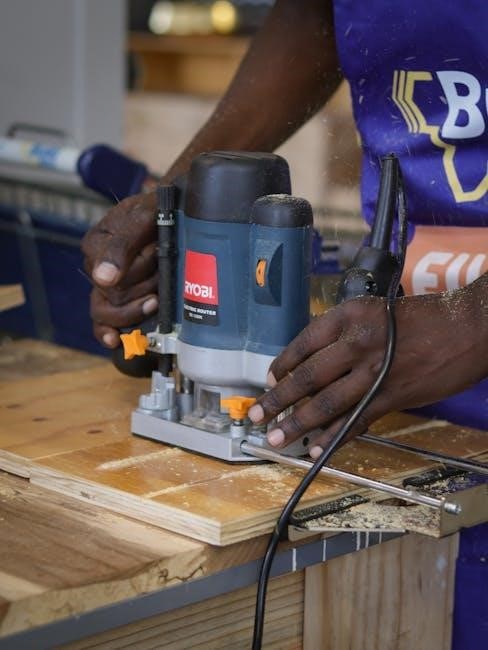
Using the Scan 150: A Step-by-Step Guide
The Scan 150 manual provides crucial guidance for safe and effective operation. It details setup, cutting techniques, and essential safety precautions for all users.
Sheffield community discussions emphasize the manual’s importance for maximizing tool performance.
Safety Precautions Before Operation
Before operating the Scan 150, consulting the manual is paramount for understanding critical safety procedures. The Sheffield Record Power Scan 150 manual stresses the importance of wearing appropriate personal protective equipment (PPE), including safety glasses, ear protection, and a dust mask, to mitigate risks during operation.
Always inspect the power cord for damage before plugging it in, and ensure a stable, well-lit workspace. The manual details proper grounding techniques to prevent electrical shock. Never operate the Scan 150 with damaged or missing parts, and familiarize yourself with the location and function of all safety features, such as the emergency stop switch.
Sheffield’s online forums frequently highlight the need to disconnect the power supply before making any adjustments or blade changes. Understanding the material compatibility guidelines within the manual is also crucial to avoid kickback or damage. Prioritize a thorough understanding of these precautions to ensure a safe working environment.
Setting Up the Scan 150 for Cutting
The Sheffield Record Power Scan 150 manual provides detailed instructions for proper setup. Begin by securely mounting the Scan 150 to a stable workbench, ensuring it won’t vibrate during operation. The manual emphasizes selecting the correct blade for the material being cut – wood, metal, or plastic – and installing it correctly, following the diagrammatic guides.
Adjust the cutting depth and angle according to the project requirements, referencing the manual’s illustrations for precise settings. Proper blade tension is critical; the manual outlines the correct procedure for achieving this. Ensure the workpiece is securely clamped to prevent movement during cutting, a point frequently discussed in Sheffield’s tool communities.
Before powering on, double-check all adjustments and safety guards are in place. The manual stresses the importance of a test run with scrap material to verify the setup before commencing the actual cut.
Making Accurate Cuts with the Scan 150
The Sheffield Record Power Scan 150 manual details techniques for achieving precise cuts. Maintain a consistent feed rate, as outlined in the manual, avoiding forcing the material through the blade. A smooth, even pressure yields the cleanest results. The manual illustrates proper body positioning to maximize control and minimize strain.
Utilize the Scan 150’s guides and fences for straight cuts, ensuring they are correctly aligned before starting. For angled cuts, carefully adjust the bevel settings according to the manual’s specifications. Sheffield’s local tool repair services often emphasize the importance of a sharp blade for accuracy, referencing the manual’s blade replacement guide.
Regularly clear sawdust and debris to maintain visibility and prevent binding. The manual cautions against interrupting the cut mid-stroke, as this can lead to inaccuracies.

Maintenance and Troubleshooting
The Scan 150 manual provides detailed guidance on upkeep, including lubrication and blade adjustments. It also offers solutions to common operational issues, ensuring longevity and performance.
Sheffield’s community forums often discuss troubleshooting tips found within the manual.
Regular Maintenance Procedures
The Sheffield Record Power Scan 150 manual emphasizes consistent maintenance for optimal performance and safety. Following the outlined procedures will significantly extend the tool’s lifespan and ensure accurate cutting. Key routines include regular cleaning of the saw table and surrounding areas, removing sawdust and debris to prevent binding and ensure smooth operation.
Lubrication is crucial; the manual details specific points requiring oiling, such as bearings and moving parts, to minimize friction and wear. Blade inspection is paramount – checking for sharpness, damage, and proper tension is vital before each use. The manual provides clear instructions on blade tensioning and sharpening techniques.
Periodically, the manual advises checking and tightening all bolts and screws to prevent loosening during operation. Furthermore, it stresses the importance of inspecting the power cord for any signs of damage, replacing it if necessary to avoid electrical hazards. Adhering to these procedures, as detailed in the Scan 150 manual, guarantees a reliable and safe cutting experience, reflecting Sheffield’s commitment to quality tools and craftsmanship.
Common Issues and Their Solutions
The Sheffield Record Power Scan 150 manual dedicates a section to troubleshooting common operational issues. A frequent problem is inaccurate cuts, often stemming from a dull or improperly tensioned blade – the manual guides users through blade assessment and adjustment. Another issue is motor overheating, typically caused by excessive force or prolonged use; the manual advises allowing the motor to cool and reducing feed pressure.
Binding or jamming can occur due to sawdust buildup or incorrect fence alignment. The manual details cleaning procedures and fence adjustment techniques. Electrical issues, though less common, are addressed with safety precautions and guidance on checking the power cord and connections.
The Scan 150 manual also covers vibration problems, often linked to loose components, providing instructions for tightening bolts and screws. Sheffield’s online forums frequently discuss these issues, with users sharing solutions found within the manual. By referencing these troubleshooting steps, owners can resolve many problems independently, maintaining the tool’s functionality and extending its service life.
Blade Replacement Guide
The Sheffield Record Power Scan 150 manual provides a detailed, step-by-step blade replacement guide, emphasizing safety throughout the process. It begins with disconnecting the power supply and ensuring the machine is completely stationary. The manual illustrates how to access the blade mounting hardware, typically involving removing a guard and loosening clamping screws.
Detailed diagrams show the correct blade orientation and the proper tightening torque for the screws. The manual stresses the importance of using the correct blade type for the material being cut, referencing compatible blade specifications. It also includes instructions for safely disposing of used blades.
Sheffield’s tool collecting community often emphasizes the importance of original manuals for maintaining vintage tools like the Scan 150. Following the manual’s guidance ensures correct installation, optimal performance, and prevents damage to the machine. Proper blade replacement, as outlined, is crucial for safe and efficient operation.

Scan 150 in the Sheffield Community
The Scan 150 manual is valued within Sheffield’s tool-using community, with local repair services and forums often referencing it for guidance and troubleshooting.
Local history groups discuss its significance as a Sheffield-made tool.
Local Tool Repair Services
Sheffield boasts a network of skilled tool repair services frequently encountering the Record Power Scan 150. These businesses often rely on the Scan 150 manual as a primary reference point for diagnosing issues and performing accurate repairs. Technicians appreciate the detailed diagrams and parts lists contained within, ensuring correct component replacement and optimal functionality.
Many local services actively participate in Sheffield’s online community forums, offering advice and support to Scan 150 owners. They often recommend consulting the manual first for basic troubleshooting steps, empowering users to address minor problems independently.
Furthermore, these repair shops often source replacement parts based on the manual’s specifications, maintaining the tool’s original quality. The manual’s availability – both physical copies and online resources – is crucial for these businesses to efficiently serve the Sheffield area’s Scan 150 user base. They are a vital link in preserving these classic tools.
Sheffield’s Tool Collecting Scene
Sheffield’s rich industrial heritage fuels a vibrant tool collecting scene, where the Record Power Scan 150 holds a respected position. Collectors often seek original Scan 150 manuals as integral components of a complete set, valuing them for their historical significance and detailed technical information. A pristine manual significantly enhances a tool’s collectability and value.
Local history forums and nostalgia groups frequently feature discussions about vintage Sheffield tools, including the Scan 150. These online communities serve as hubs for sharing knowledge, identifying variations, and locating manuals.
The manual’s diagrams and specifications are crucial for authentic restoration projects, ensuring collectors maintain the tool’s original functionality and appearance. Sheffield’s ex-pat communities worldwide also contribute to this scene, sharing memories and resources. The Scan 150 manual is a tangible link to Sheffield’s manufacturing past, cherished by enthusiasts.
Community Forums and Discussions
Sheffield’s online communities are invaluable resources for Scan 150 owners and enthusiasts seeking information about the manual. Local news and discussion boards frequently host threads dedicated to vintage tools, where users share scans, discuss repair tips, and help each other locate original Scan 150 manuals.
These forums provide a platform for asking specific questions about the manual’s contents, interpreting diagrams, and troubleshooting issues. Members often share their experiences with the Scan 150, offering practical advice and insights.
The “Sheffield Life & Community” forum, along with general chat communities, are particularly active spaces for tool-related discussions. Users often post “wanted” ads for manuals, connecting buyers and sellers. These digital spaces demonstrate the enduring interest in Sheffield’s tool-making history and the Scan 150’s continued relevance.

Scan 150 vs. Contemporary Models
The Scan 150 manual highlights a simpler era of tool design, contrasting with modern manuals’ complexity. Sheffield forums discuss how older tools, and their guides, prioritize durability and repairability.
Comparing Features and Performance
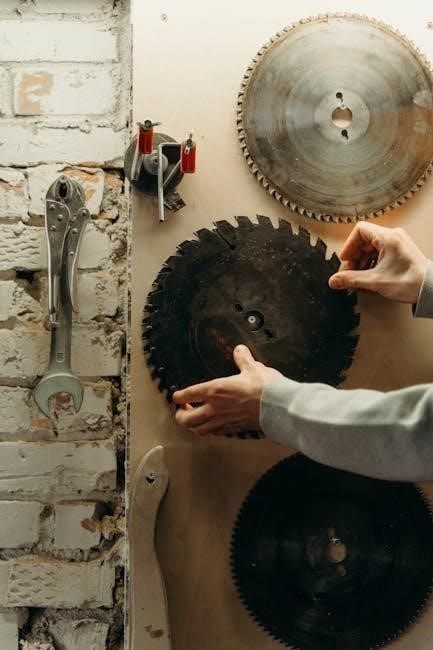
The Sheffield Record Power Scan 150 manual, when contrasted with guides for contemporary models, reveals a focus on fundamental functionality. Modern manuals often detail numerous adjustable settings and digital readouts, features absent in the Scan 150’s design. Performance-wise, the Scan 150 prioritizes robust cutting power for its intended materials, though it lacks the speed and precision of newer, computer-controlled machines.
Sheffield’s online communities frequently compare the Scan 150 to modern alternatives, noting its build quality and ease of maintenance as key advantages. While contemporary models boast increased versatility, the Scan 150’s manual emphasizes mastering a smaller set of core skills. Discussions on Sheffield Life & Community forums reveal a preference among some users for the Scan 150’s straightforward operation and the readily available information within its manual.
Ultimately, the Scan 150 represents a different philosophy of tool design – one centered on durability and user skill rather than automated features.
Advantages and Disadvantages of the Scan 150
The Sheffield Record Power Scan 150 manual highlights a tool built for longevity, a significant advantage. Users, as discussed in Sheffield’s local forums, praise its robust construction and relatively simple mechanics, making repairs accessible with the manual’s guidance. A key benefit is the Scan 150’s focus on developing user skill – mastering its operation fosters a deeper understanding of woodworking techniques.
However, the manual also implicitly reveals disadvantages. Compared to modern power tools, the Scan 150 lacks advanced features like variable speed control or laser guides. Sheffield’s tool collecting scene acknowledges its limitations in precision for intricate work. The manual’s age means finding replacement parts can be challenging, though local repair services often possess the expertise to address common issues.
Ultimately, the Scan 150 offers a blend of durability and simplicity, balanced against a lack of modern conveniences.
The Scan 150’s Place in Tool History
The Sheffield Record Power Scan 150 manual serves as a tangible link to Sheffield’s rich manufacturing heritage. Reflecting a period when tools were built to last, the Scan 150 embodies the “Steel City’s” industrial prowess. Discussions within Sheffield’s local history groups reveal it was a common sight in workshops and homes throughout the mid-20th century.
The manual itself is a historical artifact, offering insights into design and manufacturing practices of the era. It represents a shift towards more accessible power tools for the amateur craftsman, democratizing woodworking. Compared to earlier hand-powered saws, the Scan 150 offered increased efficiency and precision.
Today, the Scan 150 is increasingly valued by collectors and enthusiasts, representing a bygone era of toolmaking. Its continued presence in Sheffield’s tool collecting scene underscores its enduring legacy.